Your Antifouling Guide 1
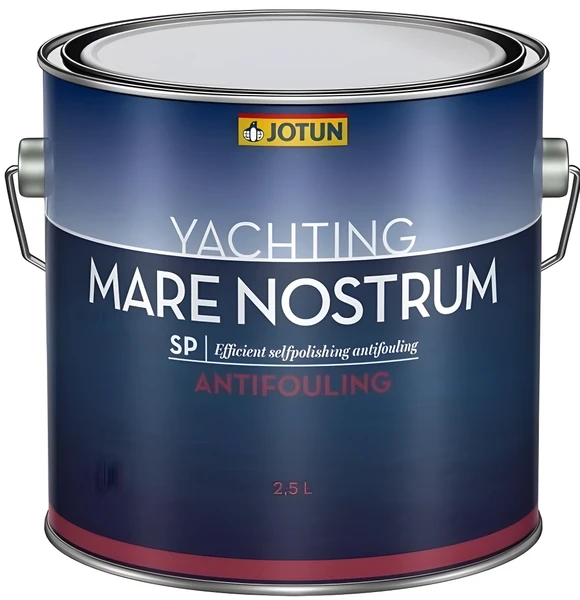
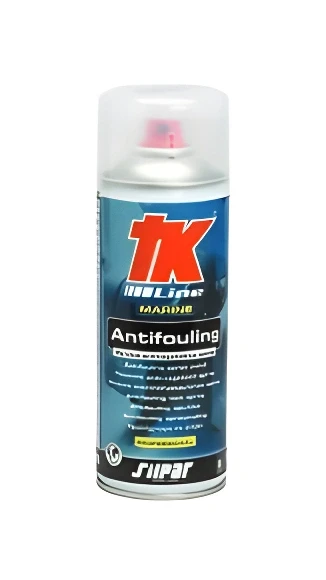
Antifouling/ underwater protection paints (antifouling, "bottom paint") are protective coatings that help to reduce the attachment of algae, mussels, barnacles, etc. on the underwater surfaces of the boat. The aim is to…
For preparation and application: Primer / Putty, Varnish / Abrasive / Thinner, Brush / Roller, Masking Tapes.
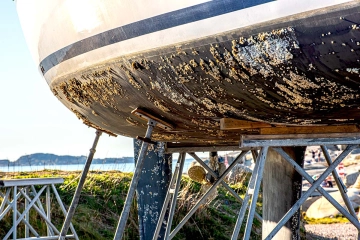
The submerged surface of the boat (the hull) is the area subjected to the most intense "holding" pressure at sea. The accumulation of algae, barnacles and micro-organisms fouls the hull over time, increases friction, reduces speed and maneuverability, increases fuel consumption and makes cleaning difficult during the season. Underwater protection is therefore not a "cosmetic" treatment, but a critical investment in performance, economy and ease of maintenance.
Underwater Protection Coatings, also known as antifoulingpaints, are special systems that aim to reduce the retention of life under the hull. With the right product choice and the right application sequence, you can achieve a cleaner hull, more stable performance and a more predictable maintenance routine throughout the season.
There is no "one right" answer when choosing antifouling; the right answer depends on the way the boat is used and the mooring conditions. The following questions clarify the choice:
Once these headings are clear, the "type" of paint and the "system logic" become more understandable. (Manufacturer recommendations and hull/substrate compatibility are always decisive in the choice of product page).
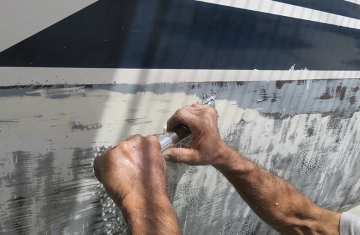
The most common problem with underwater paint is not the product quality but the application sequence. If the surface preparation is not correct, the paint may lose adhesion early on, blistering/shedding may occur or protection may weaken faster than expected. The safe approach is to maintain the following sequence:
Supplementary topics that can help with the application plan: Varnish / Sandpaper / Thinner (preparation and cleaning), Primer / Putty (ground and correction), Masking Tapes (clean workmanship), Brush - Roller (homogeneous layer).
Underwater painting is usually planned at the end of the season, either at the landing / end of the season or at the beginning of the season before launching. The logic is: while the boat is ashore, the surface is prepared in a more controlled manner, the layers are applied more accurately and you enter the season with a "ready hull".
Buildup under the hull increases friction in the water, making it harder for the boat to move forward. This can lead to the need for higher rpm in most usage scenarios and indirectly to higher consumption. Regular underwater protection helps to keep the boat's performance more stable throughout the season.
Antifouling products and thinners may contain strong chemical components. Personal protection equipment such as ambient ventilation, suitable gloves/mask and eye protection are important during application. Also, when working under the hull, the secure support/skeleton must be correctly installed.
Summarize: Antifouling / underwater protection paints help to keep the underwater surface of the boat cleaner throughout the season, reduce friction and keep the maintenance burden under control. The best results come with the right product choice as well as the right surface preparation and the right application sequence.
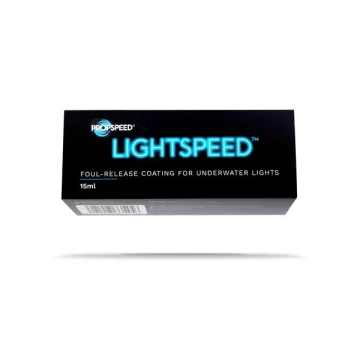 Güncel
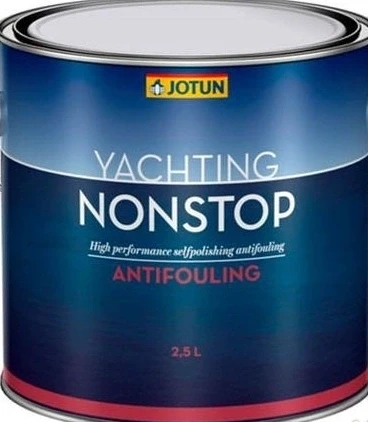 %17
%17