Your Antifouling Guide 1
Antifouling/ underwater protection paints (antifouling, "bottom paint") are protective coatings that help to reduce the attachment of algae, mussels, barnacles, etc. on the underwater surfaces of the boat. The aim is to keep the hull cleaner throughout the season, reduce friction and manage maintenance periods in a more controlled manner.
- What is it used for? By reducing biofouling, it helps to reduce losses on the performance and consumption side.
- What is the choice based on? Speed of the boat, frequency of use, water type (salty/sweet), shore leave, previous paint system and surface type.
- Critical point in application: Surface preparation + correct primer/intermediate coat + recommended thickness/number of coats (according to product technical sheet).
Related categories that will make your application easier: Primer / Putty, Epoxy / Fiber Repair, Brush / Roller Equipment, Masking Tapes, Varnish / Sandpaper / Thinner, Cleaning Chemicals, Masks / Gloves.
Antifouling / Underwater Protection Paints: Manage Hull Maintenance with the Right System
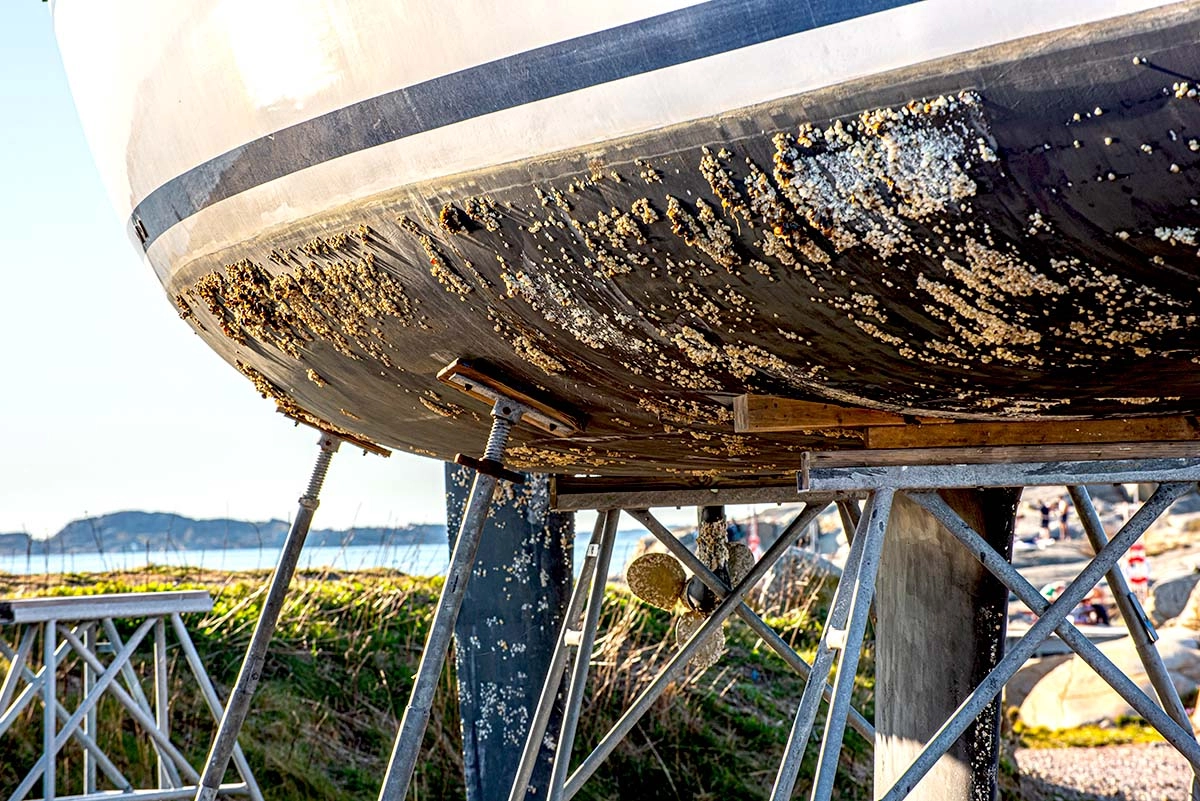
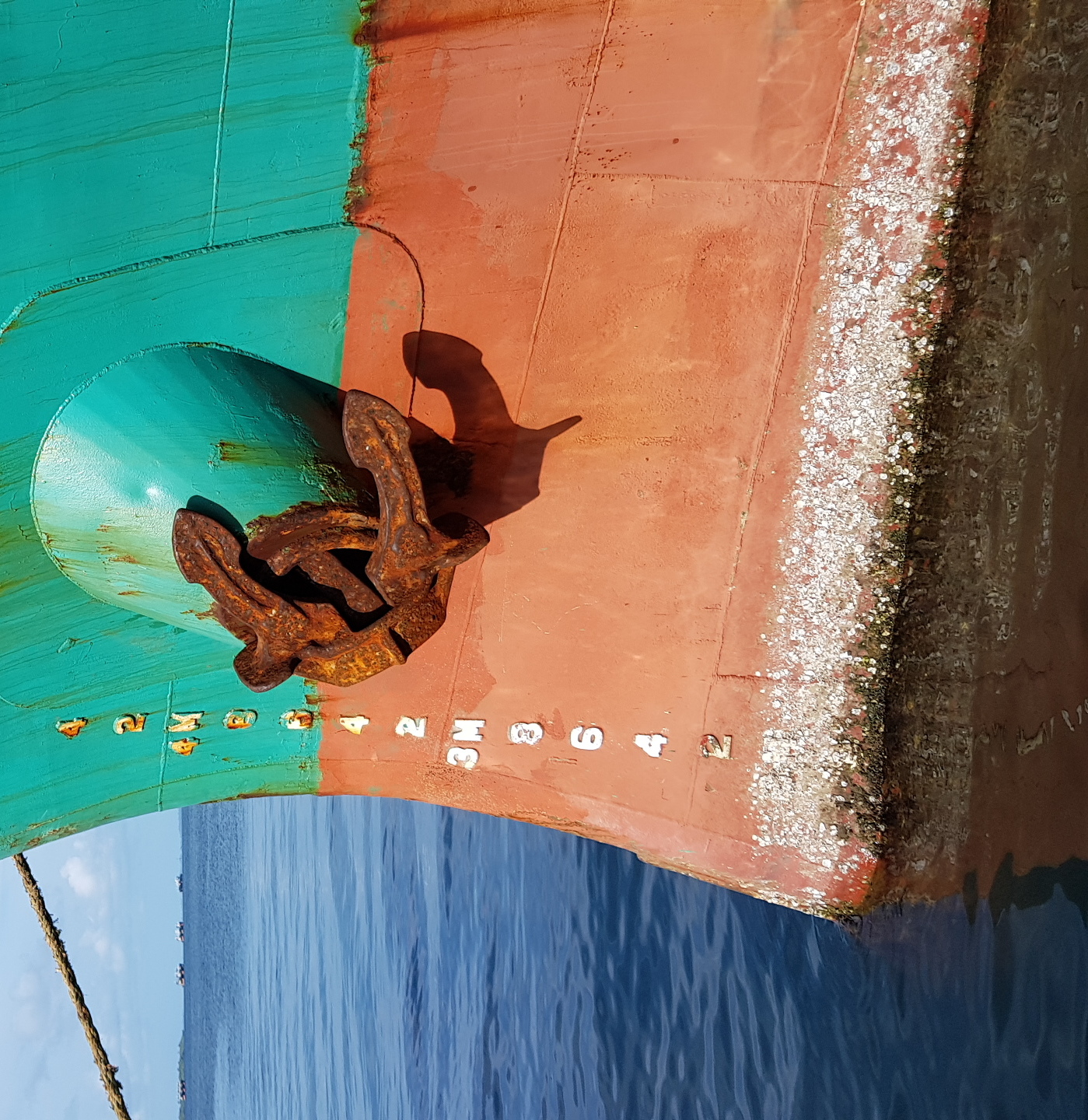
Over time, the submerged surfaces of the boat are subject to the so-called biofouling. Creatures such as algae, mussel clusters and barnacles can accumulate on the hull, increasing friction, reducing the "clean hull" performance of the boat and bringing the need for maintenance forward. Underwater protection paints (antifouling) are coating systems that help reduce this adhesion.

.jpg)
What does antifouling do? (short and clear)
- Helps to reduce adhesion: Slows surface build-up, keeping cleaning/maintenance intervals manageable.
- Aims to limit performance loss: The more "clean" the carina remains, the more the increase in friction is under control.
- Requires the right system approach: Paint does not work on its own; it works with surface preparation + appropriate primer/intermediate coat + correct application.
What does the term "antifouling" mean?
In the market, the term "antifouling paint" is often used for antifouling. The main idea here is that it is an "active" coating system to reduce the retention of life under water. The technical data sheet (TDS) and safety data sheet (SDS) should always be the main reference, as the chemical content and application conditions of the products may vary depending on the brand/model.
Practical criteria when choosing paint
It is not healthy to base antifouling selection on a single criterion such as "best selling" or "strongest". The following criteria make it easier to orient to the right class:
- Frequency of use: If the boat is stationary for long periods of time, the risk of adhesion increases; system selection is based on this.
- Speed and friction: Coating type and surface smoothness become more critical in high speed/performance oriented boats.
- Standing on land / trailering: For boats that are frequently taken ashore, the "standing on land" scenario affects the paint behavior.
- Existing paint system: The type (hard/ablative etc.) and condition of the old paint is decisive for compatibility.
- Surface type: The primer/intermediate coat approach may vary on surfaces such as GRP, metal, wood.
Layer logic: Think as a "system"


In practice, the following logic often works:
- Surface preparation: Cleaning, checking for old paint, appropriate sanding/processing.
- Primer / intermediate coat (if required): For surface adhesion and system compatibility.
- Antifouling coats: Recommended number of coats/thickness according to product technical data sheet.
- Critical areas: Areas such as waterline, bow line, propeller surroundings are considered separately in the application plan.
The "correct" version of these steps is clarified in the TDS/SDS of the product you have chosen; the aim here is to give you a clear picture of the system logic.
Practical equipment recommendation in practice (category guidance)
- Masking and the waterline: Masking tapes for a smooth line on the waterline make your job much easier.
- Roller/brush and bucket: For application comfort, look at the roller/brush equipment and bucket categories.
- Sanders/solvents: On the surface preparation side, sandpaper and thinner/solvents help to ensure accurate and controlled progress.
- Protective equipment: It is important to use masks, overalls and gloves against dust/chemical contact (according to the product SDS).
- Surface correction: If necessary, the system infrastructure is prepared with primer/paste and epoxy/fiber repair products.
Maintenance period and "when to renew?"
The need for antifouling renewal does not depend on a single schedule. Factors such as the length of time the boat is at sea, water temperature and live load, frequency of use and the condition of the existing coating change the outcome. The most practical approach:
- Visual inspection at the beginning of the season + wear / adhesion analysis in critical areas
- Local repair or complete replacement plan if necessary
- "Application window" and compliance rules in the product technical data sheet for each process


Environment and safety notes (short but important)
- Product SDS/TDS is the primary source for application, personal protective equipment and waste management.
- Dust and residue management critical: controlled operation required to prevent sanding/scraping waste from entering water.
- Legislation: Some older antifouling chemicals (e.g. TBT) are banned globally; follow local rules in current practice.

Frequently asked questions
Will a new one work on top of the old antifouling paint?
The question "Will it work?" is directly related to the existing paint type and compatibility. Some systems may require an intermediate coat/binder coat. The safest way is to identify the existing surface and proceed according to the compatibility table in the technical sheet of the selected product.
Is it necessary to paint completely every year?
Not necessarily; local repair or planned renewal can be done according to the condition of the surface, adhesion level and wear map. What is critical here is to routinize "hull control" during the season.
Which cleaning products are suitable?
For pre/post-application cleaning and preparation, the categories of cleaning chemicals and cleaning tools make it easier; however, it is important to choose the "appropriate" product according to the type of product/coating.
Summary
Antifouling is a "coating system" that helps to reduce the problem of adhesion under the hull. The best results come from a combination of the right product choice, sound surface preparation and controlled application with the appropriate equipment. The categories of primer/paste, epoxy/fiber on the preparation side, roller-brush and masking on the application side, and protective equipment on the safety side help you build a good "system".