Kayak Maintenance Guide: How to Keep Your Kayak in Excellent Condition (2026)

Buying a kayak is only the beginning of your adventure. Proper maintenance is the key to keeping your kayak safe, reliable, and performing at its best for many years.
Whether you own an inflatable kayak or a rigid hard-shell model, regular cleaning, proper storage, and routine inspections can significantly extend its lifespan while helping you avoid costly repairs.
Kayaks are constantly exposed to sunlight, saltwater, sand, mud, rocks, and changing weather conditions. Without proper care, these elements can gradually affect the hull, fittings, and overall performance of your kayak.
In this comprehensive guide, you'll learn why kayak maintenance is important, how to clean your kayak after every trip, how to protect it from UV damage, and the best practices for long-term storage.
🛶 Explore Kayak Models at Denizciden.com
Why Is Kayak Maintenance Important?
A well-maintained kayak lasts longer, performs better, and provides a safer paddling experience. Regular maintenance also helps identify small issues before they become expensive repairs.
Proper kayak maintenance offers several important benefits:
- ✔ Extends the lifespan of your kayak.
- ✔ Maintains optimal performance on the water.
- ✔ Improves safety during every trip.
- ✔ Helps detect damage before it becomes serious.
- ✔ Preserves resale value.
The good news is that most kayak maintenance only takes a few minutes after each adventure.
How Should You Clean Your Kayak After Every Use?
The first step after every kayaking trip is to rinse the entire kayak with fresh water. This is especially important if you've paddled in saltwater, where salt deposits can gradually affect metal hardware, fittings, and certain kayak components.
Follow these simple cleaning steps after every outing:
- 💧 Rinse the hull thoroughly with fresh water.
- 🧽 Use a soft sponge and mild soap if necessary.
- 🏖 Remove sand, mud, algae, and debris.
- 🪢 Inspect carrying handles and tie-down points.
- 🚿 Allow the kayak to dry completely before storing it.
Avoid harsh chemicals, abrasive cleaners, or stiff brushes, as they may damage the kayak's finish or protective surface.
Do Saltwater Kayaks Require More Maintenance?
Yes. Saltwater environments are generally more demanding than freshwater conditions. Salt residue can accelerate corrosion on metal hardware and reduce the lifespan of moving components if left untreated.
After every saltwater trip, rinse the kayak thoroughly with clean fresh water, paying particular attention to hardware, rudder systems, pedal drives (if equipped), accessory mounts, and drainage plugs.
Developing this simple habit will greatly reduce long-term maintenance requirements and help keep your kayak performing like new.
💡 Denizciden Expert Tip
The secret to long-lasting kayak performance isn't complicated maintenance—it's consistency. Spending just five to ten minutes cleaning and inspecting your kayak after each trip can add years to its service life while ensuring every adventure is safe and enjoyable.
In Part 2 of this guide, we'll explain the best ways to store your kayak, how to protect it from UV damage, the differences between maintaining inflatable and hard-shell kayaks, and the essential seasonal inspections every kayak owner should perform.
How Should You Store a Kayak Properly?
Proper storage is one of the most important factors in extending the lifespan of your kayak. Even a high-quality kayak can develop deformation, discoloration, or unnecessary wear if it is stored incorrectly for long periods.
If you won't be using your kayak for several weeks or throughout the off-season, choosing the right storage location is essential.
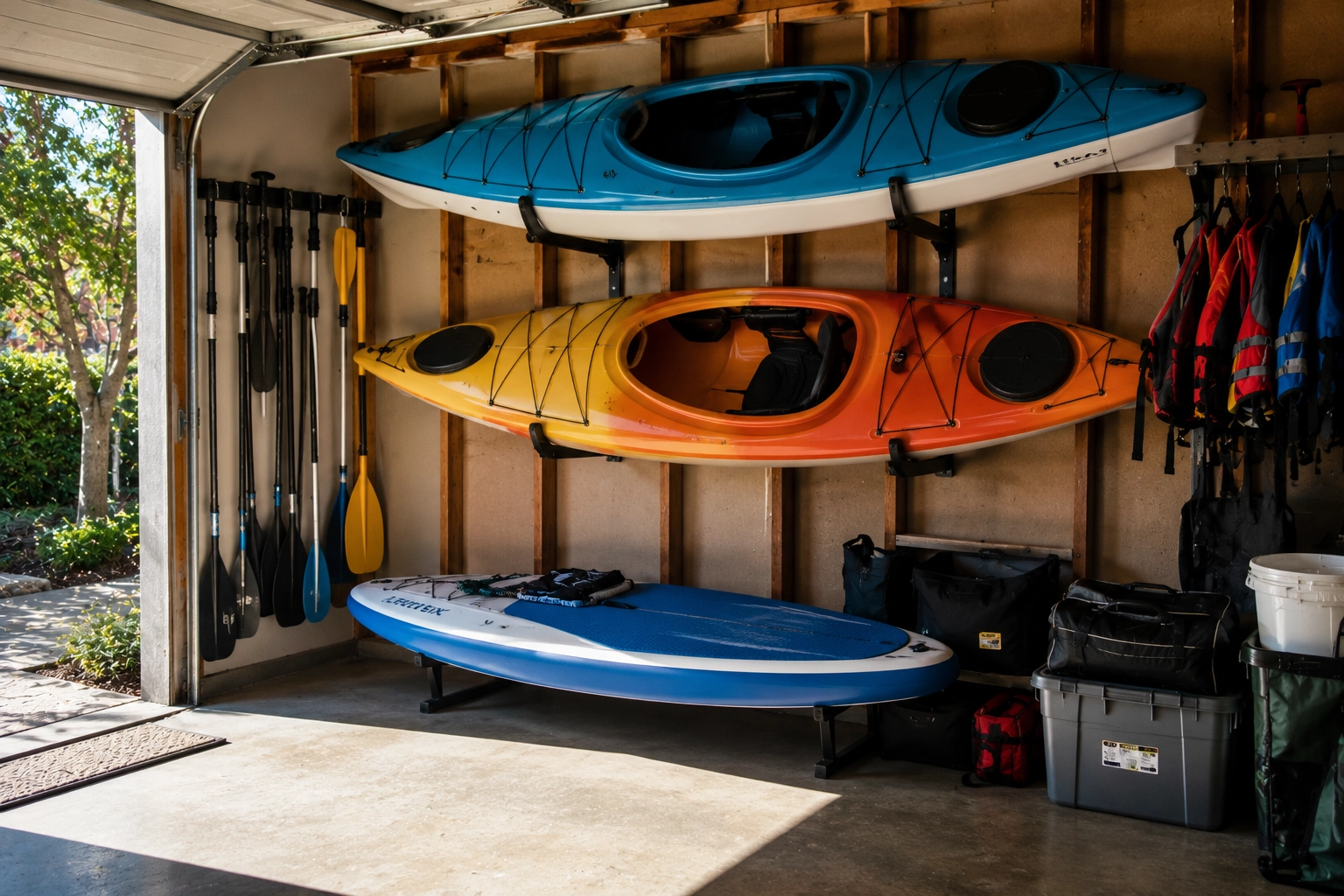
Best Practices for Kayak Storage
- ✔ Store your kayak in a cool, dry, and well-ventilated location.
- ✔ Keep it out of direct sunlight whenever possible.
- ✔ Use a kayak rack, wall mount, or suspension system if available.
- ✔ Avoid leaving the kayak resting on a single pressure point for extended periods.
- ✔ Protect it from rain, snow, and extreme weather conditions.
A garage, storage room, shed, or covered outdoor area is generally ideal for long-term kayak storage.
Can Sunlight Damage a Kayak?
Yes. Prolonged exposure to ultraviolet (UV) rays can gradually weaken kayak materials, causing fading, surface oxidation, and premature aging.
This applies to both inflatable and hard-shell kayaks. Although modern materials are highly durable, limiting unnecessary sun exposure will help preserve the kayak's appearance and structural integrity.
After each trip, allow your kayak to dry in a shaded area whenever possible instead of leaving it under direct sunlight for hours.
☀️ Denizciden Expert Tip
If your kayak must be stored outdoors, use a high-quality UV-resistant kayak cover. It provides additional protection against sunlight, dust, leaves, bird droppings, and changing weather conditions.
Is Maintaining an Inflatable Kayak Different from a Hard-Shell Kayak?
While both types of kayaks require regular cleaning and proper storage, there are several important differences in their maintenance routines.
| Maintenance Item | Inflatable Kayak | Hard-Shell Kayak |
|---|---|---|
| Cleaning | ✔ Rinse thoroughly with fresh water | ✔ Rinse thoroughly with fresh water |
| Drying | ✔ Must be completely dry before folding | ✔ Dry completely before storage |
| Storage | ✔ Fold only after drying completely | ✔ Store on a rack or proper support |
| UV Protection | ✔ Protect from prolonged sunlight | ✔ Protect from prolonged sunlight |
| Routine Inspection | ✔ Check seams and air chambers | ✔ Inspect hull for cracks and impact damage |
Should an Inflatable Kayak Be Completely Dry Before Folding?
Absolutely.
Never fold or pack away an inflatable kayak while it is still wet. Trapped moisture may lead to unpleasant odors, mildew, or mold growth during long-term storage.
Before packing your kayak, carefully inspect the interior, exterior, valves, carrying handles, and fold lines to ensure every area is completely dry.
What Should You Inspect Before the Start of a New Season?
If your kayak has been stored for several months, performing a thorough inspection before your first outing is highly recommended.
- 🔍 Check the hull for cracks or impact damage.
- 🪢 Inspect carrying handles and grab lines.
- ⚓ Tighten loose hardware and accessory mounts.
- 💨 Check inflatable kayaks for air leaks.
- 🪑 Inspect seats, footrests, pedals, or rudder systems if equipped.
- 🎒 Make sure all accessories are present and in good condition.
Spending just a few minutes inspecting your kayak before the season begins can help prevent unexpected problems on the water.
Denizciden Expert Recommendation
Preventive maintenance is always easier and less expensive than repairing damage later. Regular inspections throughout the season allow you to detect small issues before they become major problems, helping you enjoy every paddling adventure with confidence.
Developing a simple maintenance routine is one of the best investments you can make in your kayak.
In Part 3 of this guide, we'll cover the most common kayak maintenance mistakes, answer frequently asked questions, share a practical maintenance checklist, and provide expert tips to help keep your kayak in excellent condition for years to come.
Common Kayak Maintenance Mistakes to Avoid
Even the most durable kayak can lose performance or develop unnecessary damage if basic maintenance is neglected. Fortunately, most problems can be avoided by following a few simple best practices.
Here are some of the most common mistakes kayak owners make:
- ❌ Not rinsing the kayak after using it in saltwater.
- ❌ Storing the kayak while it is still wet.
- ❌ Leaving the kayak under direct sunlight for extended periods.
- ❌ Dragging the kayak across rough surfaces.
- ❌ Using harsh chemicals or abrasive cleaning products.
- ❌ Ignoring small cracks, scratches, or loose hardware.
- ❌ Folding an inflatable kayak before it has completely dried.
Avoiding these simple mistakes will help preserve your kayak's appearance, improve safety, and extend its overall lifespan.
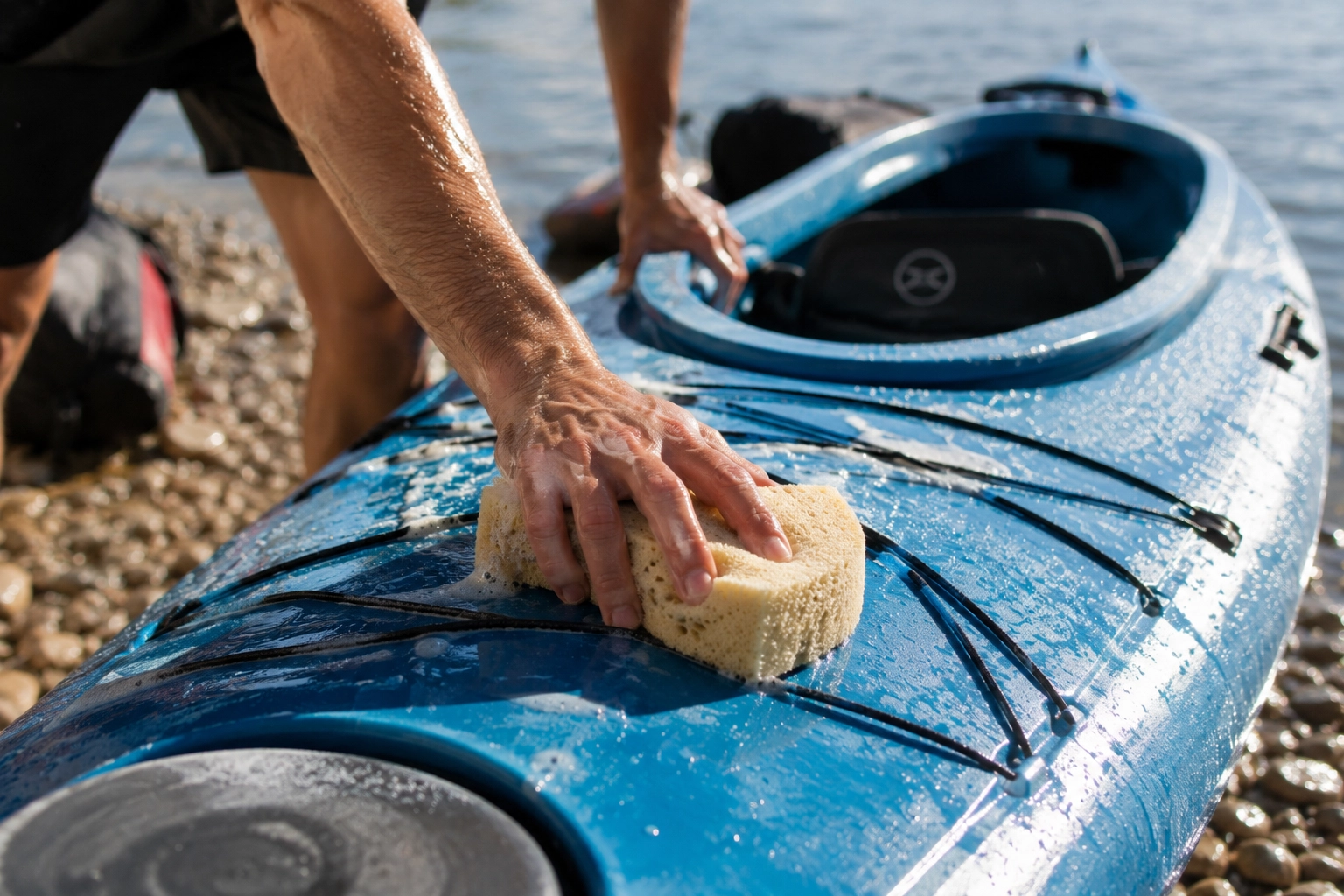
Quick Kayak Maintenance Checklist
Use this simple checklist after every paddling trip to keep your kayak in excellent condition.
| Maintenance Task | Completed |
|---|---|
| Rinsed with fresh water | ✅ |
| Completely dried before storage | ✅ |
| Hull inspected for damage | ✅ |
| Handles and tie-down points checked | ✅ |
| Air chambers inspected (Inflatable Kayaks) | ✅ |
| Stored correctly | ✅ |
Completing these simple checks takes only a few minutes but can significantly increase the life expectancy of your kayak.
Frequently Asked Questions (FAQ)
Should I wash my kayak after every trip?
Yes. Rinsing your kayak with fresh water after every outing—especially after saltwater use—helps remove salt, sand, and debris that could damage the kayak over time.
Can I use a pressure washer to clean my kayak?
A gentle stream of water is generally sufficient. High-pressure washers are not recommended, particularly for inflatable kayaks, as excessive pressure may damage seams, valves, or accessories.
Can I store my kayak outdoors?
Yes, but it should ideally be protected from direct sunlight and harsh weather conditions. Using a UV-resistant kayak cover is highly recommended for outdoor storage.
Can an inflatable kayak remain inflated for long periods?
It can remain inflated for short periods between regular use. However, for long-term storage, it is best to clean, dry, and store it according to the manufacturer's recommendations.
Are small scratches a problem?
Minor surface scratches are usually cosmetic and won't affect performance. However, deep cracks, structural damage, or air leaks should be inspected and repaired before using the kayak again.
Denizciden Expert Recommendation
The best kayak maintenance routine isn't complicated or expensive. Consistent cleaning, proper storage, and regular inspections are usually all that's needed to keep your kayak performing at its best.
Spending just ten minutes after each adventure can help protect your investment, improve safety, and allow you to enjoy your kayak for many years.
A well-maintained kayak delivers better performance, greater reliability, and more enjoyable experiences every time you head out on the water.
Final Thoughts
Kayak maintenance doesn't have to be difficult or time-consuming. By developing a simple maintenance routine, you can significantly extend the life of your kayak while ensuring every trip is safe and enjoyable.
Whether you're paddling across peaceful lakes, exploring winding rivers, or discovering beautiful coastlines, taking proper care of your kayak will help it remain in excellent condition season after season.
Remember: a clean, well-maintained kayak isn't just more attractive—it also performs better, lasts longer, and gives you greater confidence every time you launch.
Related Articles
- 🛶 Which Kayak Is Right for Me?
- 🏄 Kayak vs SUP: Which One Should You Choose?
- 🚗 How to Transport a Kayak on Your Car
- 🌊 Beginner's Guide to Kayaking
- 🎒 Essential Kayak Accessories
- 🛟 Kayak Safety Equipment Guide
Explore Our Kayak Collection
Discover inflatable and hard-shell kayak models designed for recreational paddling, fishing, touring, and family adventures. Compare features and find the perfect kayak for your next journey.
🛶 Denizciden Academy
At Denizciden Academy, we publish expert guides on kayaks, SUP boards, Sea Scooters, marine equipment, and water sports to help you choose the right gear and enjoy every adventure with confidence.
From beginner tutorials to advanced buying guides and maintenance tips, our goal is to help you make informed decisions and get the most from your equipment both on and off the water.