Underwater Lights and Accessories: A Guide to Proper Selection, Installation and Corrosion Management for Boats & Yachts
Underwater Lights and Accessories: The Right Choice Guide for Boats & Yachts
Underwater lights on boats and yachts contribute not only to "stylish appearance" but also to night safety, maneuvering comfort and above/underwater environmental awareness. Without the right product selection and proper installation, they can pose costly risks such as galvanic corrosion, sealing problems and electrical failures. In this article, I provide a comprehensive guide centered on the Underwater Lights and Accessories category, including electrical infrastructure and related equipment where appropriate to the flow.

1) What is an underwater lamp for? (Real benefits)
- Comfort in night maneuvering: Illuminates the transom and waterline perimeter, providing visual reference for port/float approach.
- Aesthetics + visibility: Increases visibility at night in the marina; emphasizes the silhouette of the boat.
- Swim platform area: Makes the aft swimming area safer (especially near platform steps and stairs).
2) Criteria that determine quality when choosing an underwater light
Underwater lighting is not "every LED is the same". Due to the salt water + constant wet environment + metal contacts, the quality standard becomes more critical than many other equipment of the boat.
2.1 Material quality: 316 stainless and durable housing
Corrosion-resistant materials such as 316 marine-grade stainless in the body and frame are an important indicator for long life. In addition, lens material (polycarbonate/tempered glass), gasket (O-ring) quality and rear housing design directly affect sealing performance.
2.2 Sealing: IP rating and actual use
In underwater lighting, the term "water resistant" is not enough; for full immersion, a standard such as IP68 class is usually required to be clearly specified. The entry point of the cable into the housing and the gasket design is the most critical weak link here.
2.3 Voltage (12V/24V), power and thermal management
12V/24V compatibility must be clear according to the boat's electrical infrastructure; as power increases, heat management becomes more important. Poor cooling designs reduce LED lifetime and increase the risk of deformation inside the underwater housing.
2.4 Light color and optics: White or Blue or RGB?
- White: Balanced, more natural appearance for general use.
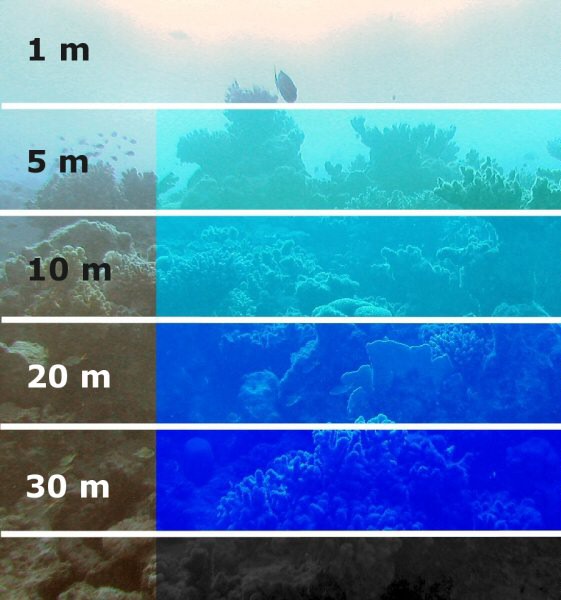
- Blue: Popular "marina look"; aesthetizes reflection in the water.
- RGB / RGBW: Increased controller and cabling requirements; the right accessories and control infrastructure are essential.
3) Approach to assembly: Most common mistakes
3.1 Transom / hull surface assembly
Underwater lights are usually positioned around the transom. The aim here is to obtain illumination from a point away from the propeller/shaft turbulence, where the water flow is more "clean". Before installation, the manufacturer's template, gasket surface and hole dimensions must be applied exactly.
3.2 Cable passage and sealing
The transition point where the cable is brought into the housing is the center of the risk of water ingress. For this reason, sealants and correct application are as critical as the lamp alone. In this flow, solutions suitable for the marine environment (marine grade sealant/insulation products) in the Adhesive/Insulation category can be considered for suitable sealing and filling products.
3.3 Fuse and line protection (a must)
The underwater lighting line must be protected with a fuse of appropriate amperage. At this point, the equipment in the Fuse Systems category is the essential part for electrical safety and fault isolation.
4) Accessories: "Lamp" alone is not a system
The performance and reliability of an underwater lighting system consists of the cable, connection, protection and control components as a whole. When examining the category, it is necessary to consider accessories (controllers, fasteners, mounting parts, etc.) together: Underwater Lights and Accessories.
- Marine cables and equipment: Marine Cables should be considered together with Cables and Equipment for the selection of the right cross-section/insulated cable for humid and salty environments and the necessary complements.
- Robust connection & terminal quality: Loose/oxidized connection is one of the main causes of heating, voltage drop and failure. This is why Terminals and Accessories play a critical role.
- Control and dimming: If RGB/RGBW or brightness control is planned, control solutions such as Dimmer Lighting Controller should be included in the flow.
- Power supply and battery side: Correct installation is important on the Battery side for stable voltage for night use and on the Battery Equipment side for connection/charging components.
5) Corrosion and bonding: The most critical (and most overlooked) topic
Since underwater lights work with metal components close to the hull, "assembly is OK" should not be said without discussing the risk of galvanic corrosion. The bonding/earthing approach may vary depending on the boat's existing bonding system, metal combinations used, manufacturer's guidelines and ambient conditions. Some manufacturers specifically emphasize proper bonding/earth connection to reduce galvanic corrosion. Therefore, the manufacturer's installation instructions and the electrical/metal infrastructure of the boat should be considered together before installation.
6) Maintenance and longevity: Seasonal checklist
- Beginning/end of season: Tightness check on lens surface, gasket, cable entry and connection points.
- Oxide control: Cleaning of terminals and joints (with marine compatible products).
- Surface control on the housing: Immediate intervention if there is any sign of cracking/detachment around the mounting.
- Electrical check: Fuse, connection tightness, voltage drop (especially on long cable runs).
Conclusion: Right product + right accessory + right installation
Underwater lighting adds value and comfort to the boat, but in a marine environment "quality and application" must be considered together. When choosing a product, not only brightness or appearance, but also materials, sealing, heat management, electrical safety and corrosion management should be considered as a whole. To plan the system setup together with the products: Underwater Lights and Accessories.
