What is a Virtual Anchor? How Does It Work? A Basic Guide for Boat Owners
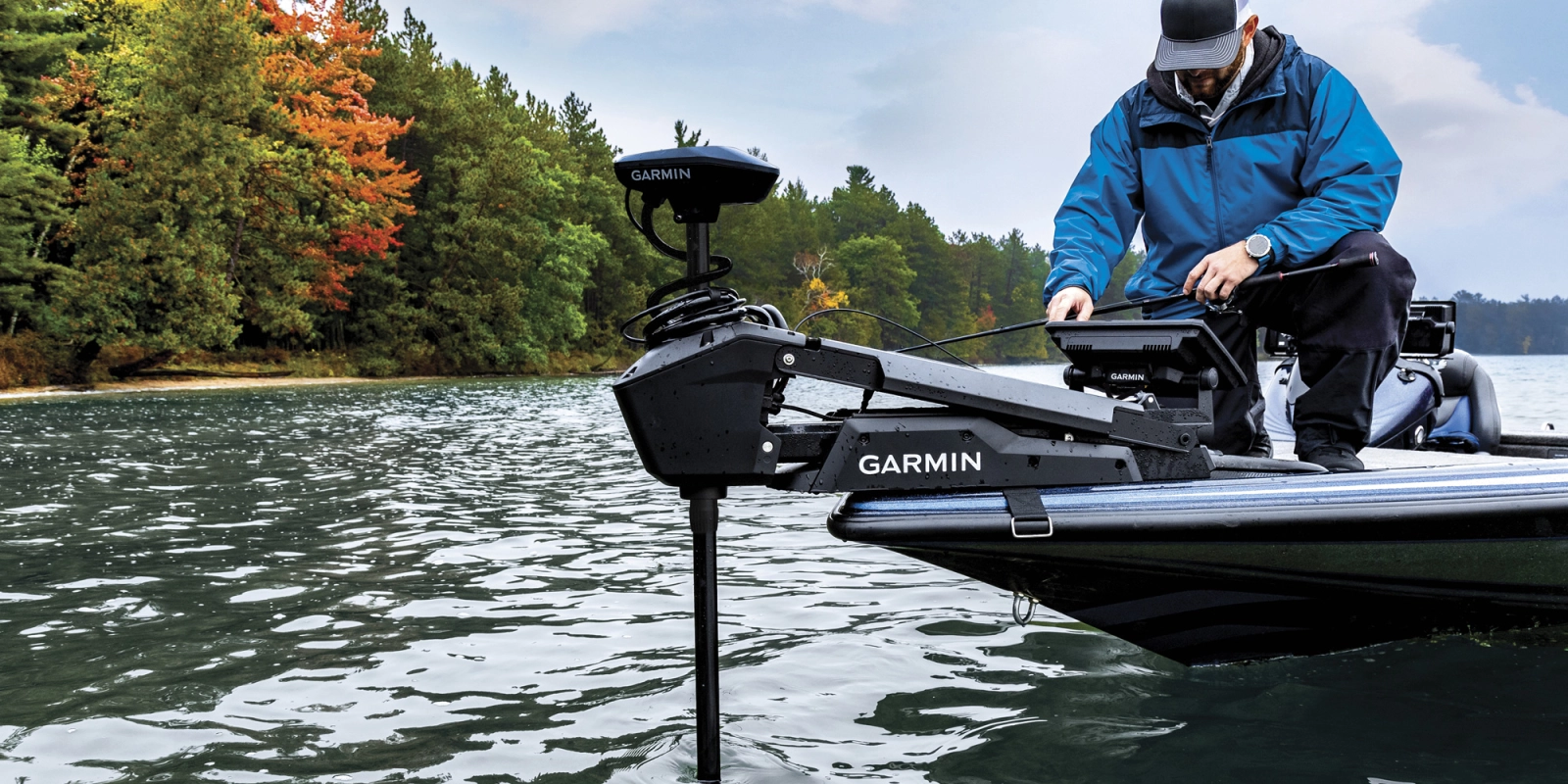
A virtual anchor is a system that helps keep a boat in a specific spot without deploying a traditional anchor, thanks to the GPS-assisted position-holding capability of an electric motor mounted on the bow of the boat. It is especially preferred for fishing, short-term holding, staying stationary without approaching the shore, and controlled maneuvering in wind/current.
What a Virtual Anchor is Not
A virtual anchor is not a mechanical solution that is a direct one-to-one replacement for a physical anchor. More accurately, this system offers electronic position holding and controlled thrust from the bow. Therefore, it does not automatically replace traditional anchoring rules in scenarios such as extreme weather, heavy current, long-term holding, or overnight anchoring.
How Does the System Basically Work?
- The electric motor mounted on the bow of the boat is directed in the water.
- The boat's position is tracked using GPS data.
- When wind or current begins to drift the boat, the motor makes the necessary correction.
- Thus, the boat is maintained in an area close to the selected point.
Main Advantages Provided by a Virtual Anchor
- Fast position holding: Saves time, especially in fishing spots or during short holds.
- Quieter control: Offers precise maneuvering without keeping the internal combustion engine constantly running.
- Bow management: Helps keep the boat's bow more controlled against wind and current.
- Repeatable use: Increases user comfort if position holding needs to be done repeatedly in the same area.
Who Particularly Benefits from It?
- Sport fishermen
- Users who want to hold position controlledly without getting too close to the shore
- Boat owners who do not want to constantly deploy a traditional anchor for short holds
- Amateur and professional users who need precise directional control at low speeds
What is the Difference from a Traditional Anchor?
| Comparison | Virtual Anchor | Traditional Anchor |
|---|---|---|
| Position holding method | GPS + electric motor correction | Holding onto the seabed |
| Speed of use | Very fast | Requires more preparation |
| Short-term holding | Very practical | Can be more cumbersome |
| Long-term safe anchoring | Condition-dependent | Primary method |
Facts to Consider
- Virtual anchor performance is directly affected by wind, current, boat weight, shaft length, propeller efficiency, and battery condition.
- For GPS-based models, calibration and satellite signal are critical.
- If battery capacity is low, the system's holding stability and operating time weaken.
- Along with the boat's length, bow height and usage scenario are also decisive in the selection.
Featured Virtual Anchor Examples at Denizciden.com
- Haswing Cayman Virtual Anchor 12 V 55 Lbs
- Haswing Cayman Virtual Anchor 24 V 80 Lbs 72”
- Haswing Cayman Virtual Anchor 24 V 80 Lbs 82”
- Haswing Cayman Virtual Anchor 36 V 120 Lbs 82”
- Haswing Cayman Virtual Anchor 36 V 120 Lbs 100”
- Haibo iPenguin Virtual Anchor 12 V 70 Lbs
- Garmin Kraken Virtual Anchor White 63”
- Garmin Kraken Virtual Anchor White 75”
- Garmin Kraken Virtual Anchor White 90”
Conclusion
A virtual anchor is a modern piece of boat equipment that provides great comfort when chosen correctly, powered by the right battery, and installed according to the boat's usage scenario. Its greatest benefit is providing the user with speed, convenience, and precision by keeping the boat stationary