What is a Windlass Gypsy, What Does It Do, and How to Choose One?
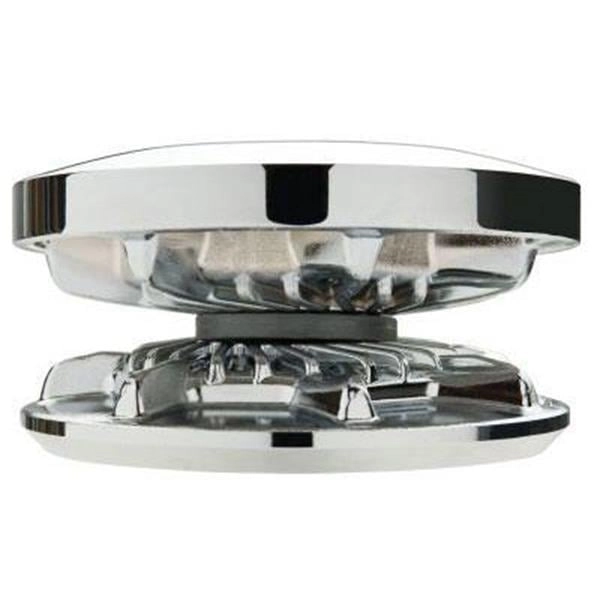
The regular movement of the anchor chain on the windlass depends not only on the motor power but also on the appropriate mechanical part that grips the chain to the correct degree. At this point, the windlass gypsy is one of the components that plays a fundamental role in the chain working in harmony with the windlass system.
This part, referred to as kaveleta or kavaleta in marine products, practically refers to the windlass's chainwheel / gypsy component suitable for the chain. Its reference by sizes such as 6 mm, 7 mm, 8 mm, or 10 mm is therefore important; because the chain size and the gypsy size must be compatible with each other.
What is a Windlass Gypsy?
The windlass gypsy is the part that grips the links of the chain in a specific size and form, allowing it to move in a controlled manner over the windlass. When the structure of the chain links and the form of the gypsy match, the chain hauling and lowering operations work regularly. Therefore, the gypsy is not just a spare part of the windlass; it is the mechanical component directly at the center of chain compatibility.
This is also the reason why products referred to as "compatible series," "compatible model," "8 mm," "10 mm," or specific part codes are listed separately, especially during spare part replacements. Because not every windlass model works with the same chain structure.
Why is a Gypsy Needed?
A windlass system does not just pull the chain; it advances the chain by carrying its links in a manner suitable for its own mechanical structure. This function requires a gypsy compatible with the size of the chain. Without the correct match, the chain may not flow smoothly on the windlass.
The clearest answer to the question "Why is a windlass gypsy used?" is: for the chain to be correctly gripped on the windlass and to advance with the correct flow. Therefore, selecting a gypsy compatible with the chain size, calibration, and windlass series is important.
Why is the Correct Gypsy Size Important?
When selecting a gypsy, not only the brand but also the chain size, windlass series, and if available, the part code should be evaluated together. Expressions like 6 mm, 7 mm, 8 mm, and 10 mm are among the fundamental data determining compatibility according to chain size.
A gypsy selected in the wrong size may cause the chain not to fit fully into the pockets. In this case, the regular flow of the chain may be disrupted. This compatibility becomes even more critical, especially in systems using calibrated chain.
What Happens with an Incorrect Gypsy Selection?
Windlass manufacturers particularly emphasize establishing the correct compatibility between the chain and the chainwheel/gypsy. If the chain size and chain form are not compatible with the gypsy, problems such as the chain jumping, irregular flow, or the feed not progressing healthily may occur.
Therefore, when selecting a product, an approach based solely on "it looks similar" is not sufficient. It is necessary to proceed based on the chain type, size, and the part suitable for the windlass model used in the existing system.
How to Choose a Windlass Gypsy?
For the correct selection, the technical information of the existing system must first be clarified. The following headings can be used as basic references during the selection process:
- Windlass brand
- Windlass series or model information
- Chain size
- Manufacturer part code, if available
- Physical compatibility of the existing part
Especially in brands like Maxwell, Italwinch, and BADA, there may be different sizes and different series compatibilities within the same product group. Therefore, the model or series information within the product name should not be overlooked.
Featured Windlass Gypsy Options
According to different chain sizes and windlass series, the following products can be examined: