What is a Windlass on Boats? What Does It Do, How Does It Work?
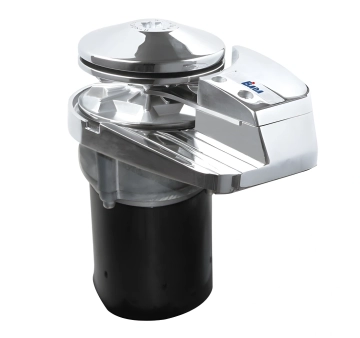
Safe anchoring on boats is directly related not only to choosing the right anchor but also to the correct windlass system. A windlass is a mechanical or electrical equipment that facilitates anchoring operations by controlledly retrieving and releasing the chain, rope, or both. It makes the process of weighing and dropping anchor both safer and much more practical, especially on medium and large-sized boats.
Simply put, the windlass is the system that manages the anchor and its chain. While manual methods require significant physical strength, with a properly selected boat windlass, this process is carried out in a more controlled, faster, and safer manner. Therefore, many boat owners today turn to electric chain windlass solutions to increase anchoring comfort and reduce the risk of error during operations.
What Exactly Does a Windlass Do?
The primary task of a windlass is to control the release and retrieval of the anchor chain. However, its function in practice is not limited to this. While the boat moves under waves, current, and wind, the balanced management of the chain becomes important. The windlass system helps prevent the chain from running out uncontrollably, speeds up the weighing process, and offers the user a more stable working opportunity.
Therefore, the most accurate answer to the question "what is a windlass?" is that it is not just a motorized drum system; it is the equipment at the center of anchoring safety. Especially for boats that anchor frequently, make day trips between coves, or need controlled maneuvers quickly, a windlass becomes a significant comfort item.
Basic Parts of a Windlass
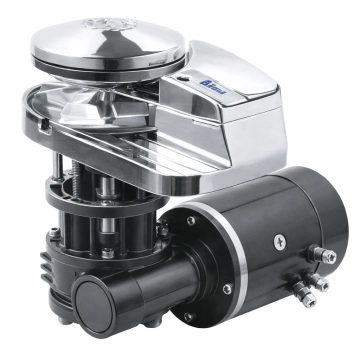
A windlass system generally consists of a motor, a gear system, a chain or rope gripping section, a control mechanism, and a mounting body. While some models work only with chain, others may be suitable for a chain and rope combination. Depending on the usage scenario, a horizontal or vertical body structure is preferred. This distinction is not just a design issue; it is also important in terms of deck space utilization, ease of installation, and the layout of the chain line.
For users seeking a compact and practical solution, models like the BADA Chain Windlass 900 W-12 V 6 MM Chain can stand out for daily use and standard anchoring needs. Similarly, for users looking for visibility support during night use, solutions like the BADA Chain Windlass 900 W-12 V Rope Light 6 MM Chain can enhance functionality.
Why Should a Windlass Be Used?
Considering the weight of the chain, water resistance, and the holding power of the anchor on the seabed during weighing, manual operation may not always be efficient. Here, the windlass both reduces the physical load and makes the process more controlled. This is a significant advantage, especially for solo sailors, family boats, and boaters who frequently change coves.
Furthermore, a regularly used windlass system can reduce the risk of tangling as it supports more controlled payout of the chain. Of course, here, the correct chain size, proper installation, and regular maintenance are just as important as product selection. In other words, a good windlass is only one part of the correct system as a whole.
Electric Windlass or Manual Solution?
Although manual solutions are still preferred on small boats, electric windlasses are much more advantageous in terms of ease of use. Especially 12V systems offer a practical solution when compatible with the boat's electrical infrastructure. The key factor to consider here is the balance between windlass power, chain thickness compatibility, and suitability for the boat's size.
In the segment for higher loads and larger boats, more powerful solutions come to the fore. At this point, products in a more powerful class, such as the BADA Chain Windlass 1500 W-12 V 8 MM Chain, are among the options to be considered for applications requiring higher pulling capacity.
The Right Windlass Means Safe Anchoring
Windlass selection should not be made solely with a "higher motor power is better" approach. Chain diameter, boat length, frequency of use, mounting area, and electrical infrastructure should be evaluated together. Because incorrect choices in anchoring equipment can lead not only to loss of comfort but also to operational difficulties.
In conclusion, a windlass is not a luxury accessory on a boat; when chosen correctly, it is one of the fundamental pieces of equipment that provides safety and usage efficiency. Determining the appropriate windlass system for anyone who wants to make the anchoring process more controlled, faster, and less tiring makes a significant difference in the long run.
When choosing the right windlass model for your boat, clarifying your chain size, electrical system, and usage scenario, and then comparing products based on their technical specifications will be the most reliable method.