How to Choose the Right Anchor Windlass? A Complete Boat Windlass Buying Guide (2026)
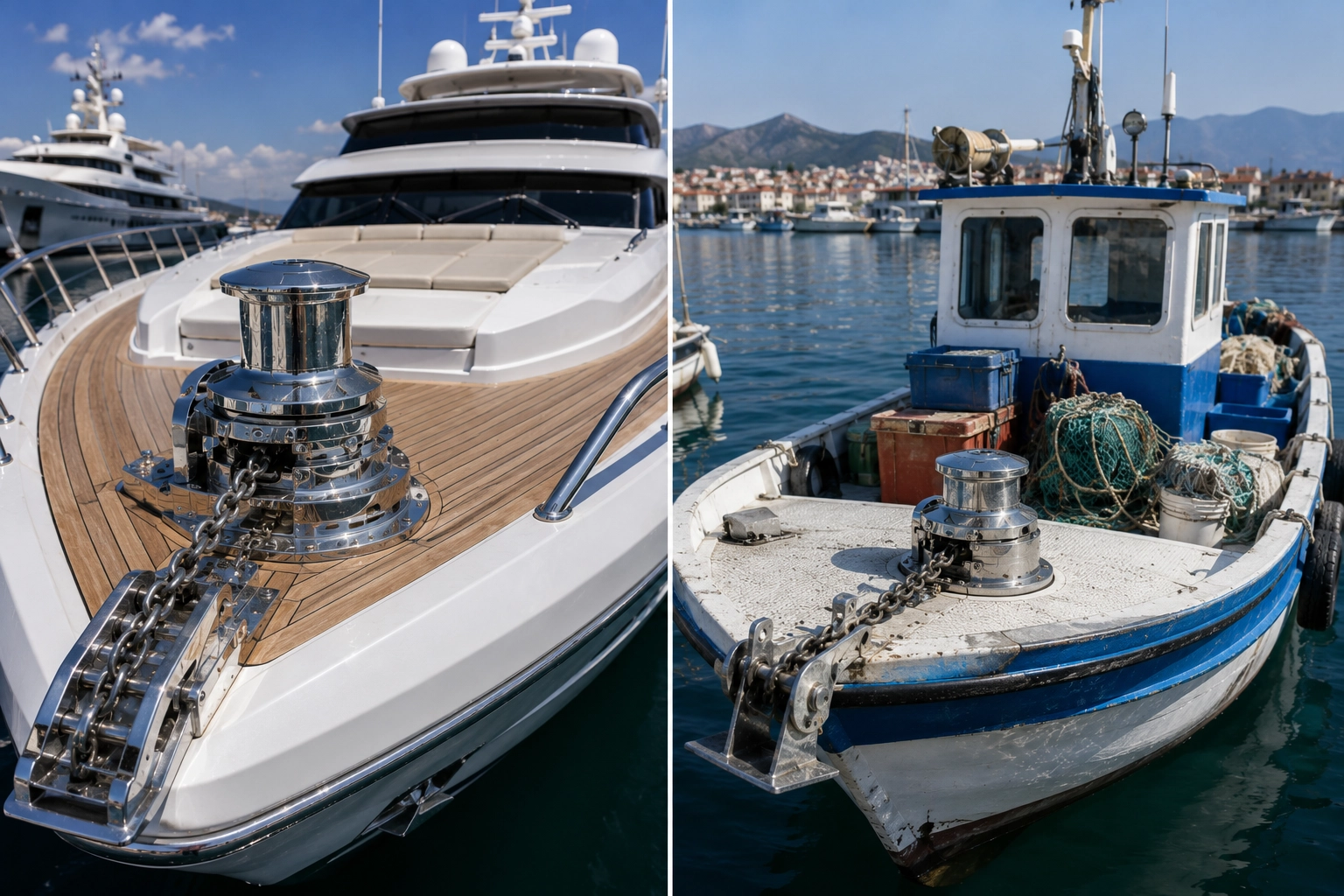
Choosing the right anchor windlass is one of the most important decisions a boat owner can make. While many windlasses may look similar at first glance, selecting the wrong model can lead to poor anchoring performance, unnecessary strain on your electrical system, premature equipment wear, and even safety issues during anchoring.
The ideal windlass depends on much more than the size of your anchor. Your boat's length, displacement, anchor weight, chain size, electrical system, and boating habits all play an important role.
In this comprehensive guide, we'll explain everything you need to know before buying an anchor windlass, helping you choose a system that delivers reliable performance and years of dependable service.
Why Is Choosing the Right Anchor Windlass So Important?
An anchor windlass does much more than simply retrieve your anchor. It is a key component of your boat's anchoring system and plays a major role in both safety and convenience.
Weather conditions can change rapidly on the water. Strong winds, tidal currents, and rough seas place considerable loads on your anchoring equipment. A properly sized windlass makes anchor retrieval safer, smoother, and significantly less demanding.
Installing a windlass that is too small for your boat may overload the motor, cause excessive wear, reduce retrieval speed, and increase the likelihood of chain jams.
On the other hand, choosing a windlass that is significantly larger than necessary increases both installation costs and weight on the bow, potentially affecting your boat's trim and overall efficiency.
Key Factors to Consider Before Choosing an Anchor Windlass
Several technical factors should always be evaluated together before purchasing a windlass.
- ✔ Boat Length Overall (LOA)
- ✔ Boat Displacement (Loaded Weight)
- ✔ Anchor Chain Size
- ✔ Rope & Chain Combination
- ✔ Anchor Weight
- ✔ Electrical System (12V or 24V)
- ✔ Frequency of Use
- ✔ Typical Anchoring Conditions
Focusing on only one of these specifications rarely leads to the best choice. A reliable anchoring system works because all components are properly matched.
1. Boat Length (LOA)
The first specification most manufacturers use when recommending an anchor windlass is your boat's Length Overall (LOA).
Windlasses are generally designed for specific boat length ranges. However, boats with the same overall length may have very different weights, making LOA only the starting point of the selection process.
| Boat Length | Typical Boat Type |
|---|---|
| 5 – 7 meters (16 – 23 ft) | Small fishing boats and fiberglass boats |
| 7 – 9 meters (23 – 30 ft) | Cabin cruisers and recreational boats |
| 9 – 12 meters (30 – 40 ft) | Mid-size yachts |
| Over 12 meters (40+ ft) | Large yachts and commercial vessels |
Important: These ranges should only be used as a general reference. The boat's displacement and the manufacturer's recommendations should always take priority.
2. Boat Displacement (Weight)
One of the most common mistakes boat owners make is choosing a windlass based only on the length of their vessel.
Two boats measuring eight meters in length may differ in weight by several tons depending on hull material, onboard equipment, fuel, water, and overall design.
For example, an 8-meter fiberglass fishing boat places significantly less load on the anchoring system than an 8-meter steel displacement vessel.
Because of this, the windlass should always be selected according to the boat's fully loaded displacement, rather than length alone.
💡 Denizciden Expert Tip
The best anchor windlass isn't necessarily the biggest or the most powerful model available. The right choice is one that matches your boat's displacement, anchor weight, chain size, and intended use. A properly selected windlass provides smoother operation, longer service life, and significantly safer anchoring in all conditions.
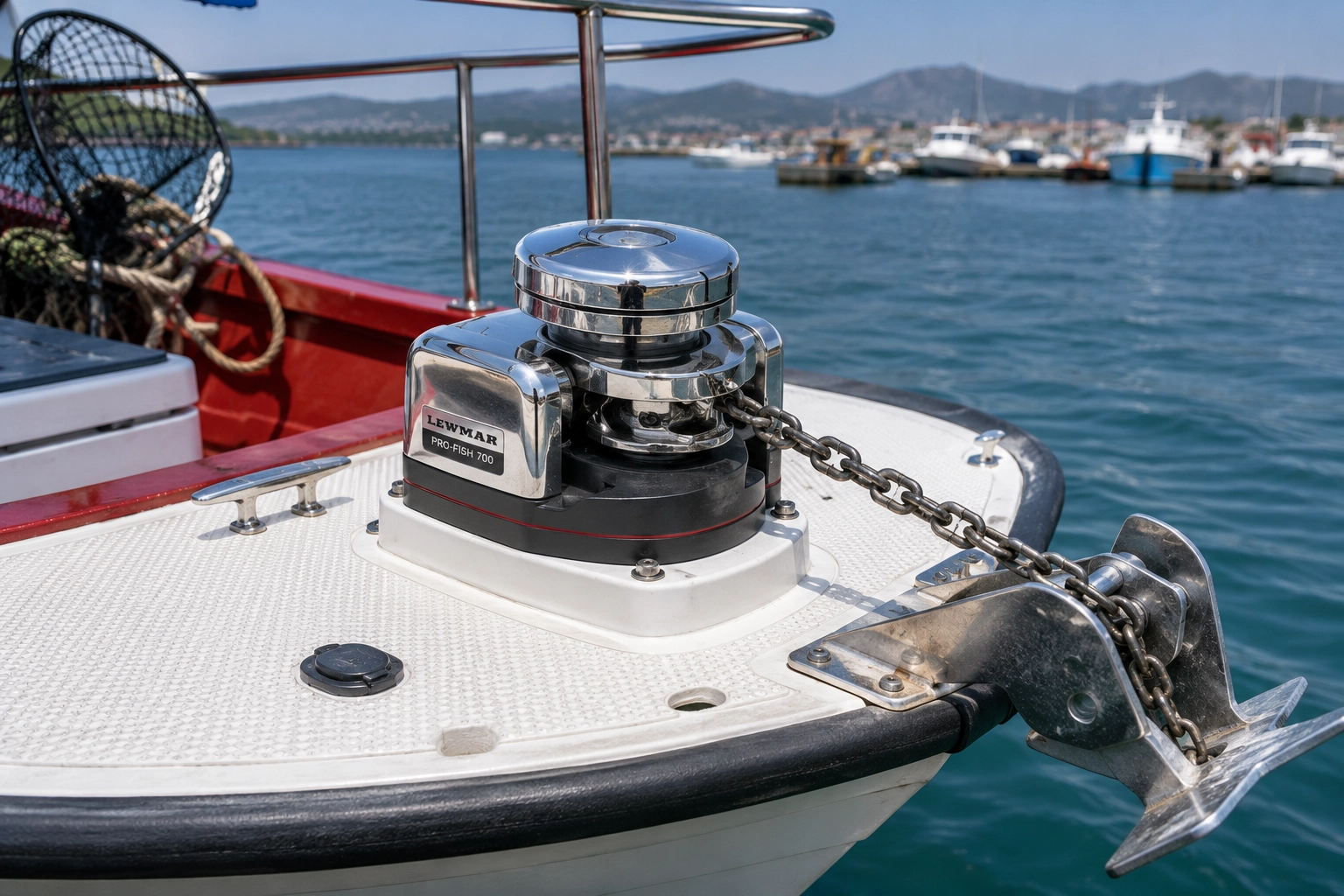
Questions to Ask Yourself Before Buying
- What is my boat's overall length (LOA)?
- What is its fully loaded displacement?
- How much anchor chain will I be using?
- How heavy is my anchor?
- Does my boat use a 12V or 24V electrical system?
- How frequently do I anchor during the season?
Answering these questions before comparing windlass models will make selecting the right system much easier.
In Part 2 of this guide, we'll explain how to choose the correct chain size, compare rope and chain combinations, discuss pulling capacity, examine the differences between 12V and 24V systems, and highlight the most common mistakes people make when purchasing an anchor windlass.
3. Anchor Chain Compatibility
Choosing the right motor size is important, but ensuring your anchor windlass is fully compatible with your anchor chain is equally critical.
Every windlass gypsy (chain wheel) is engineered to work with specific chain sizes and chain standards. If the chain does not match the gypsy precisely, it may slip, jump, bind, or fail to feed smoothly through the windlass.
For this reason, always follow the manufacturer's recommended chain diameter and chain specification when selecting both your windlass and anchor chain.
| Chain Diameter | Typical Boat Size |
|---|---|
| 6 mm | Small recreational boats |
| 8 mm | Medium-sized boats and cruisers |
| 10 mm | Large boats and yachts |
| 12 mm and above | Commercial vessels and large yachts |
Important: Two chains with the same diameter may still have different link dimensions depending on the manufacturing standard (DIN, ISO, BBB, etc.). Always verify compatibility before purchasing.
4. Rope, Chain, or a Rope & Chain Combination?
Modern anchoring systems no longer rely exclusively on all-chain rodes. Many recreational boats now use a rope-and-chain combination, offering an excellent balance between performance, weight, and convenience.
The chain keeps the anchor lying correctly on the seabed while providing abrasion resistance. The rope reduces overall weight and makes storing longer lengths of rode much easier.
All Chain Rode
- Extremely durable.
- Excellent abrasion resistance.
- Ideal for rocky seabeds.
- Provides superior holding characteristics.
- Heavier and requires more storage space.
Rope & Chain Combination
- Much lighter.
- Easier to handle.
- Allows longer rode lengths.
- Excellent for small and medium-sized boats.
- Requires less bow weight.
💡 Denizciden Expert Tip
There is no universal solution for every boat. Weekend cruisers and recreational vessels often benefit from a rope-and-chain combination, while heavier displacement yachts frequently perform better with an all-chain anchoring system.
5. Pulling Capacity
Maximum pulling capacity is one of the most important specifications when selecting an anchor windlass.
Many boat owners assume the windlass only lifts the anchor. In reality, it must also retrieve:
- The anchor
- The chain
- The rope (if used)
- Hydrodynamic resistance
- Current loads
- Wind loads acting on the boat
For this reason, pulling capacity should always be selected according to the complete anchoring system—not simply the anchor's weight.
6. 12V or 24V?
Electric anchor windlasses are commonly available in either 12-Volt or 24-Volt configurations.
The correct choice depends entirely on your boat's existing electrical system.
| 12V System | 24V System |
|---|---|
| Small and medium-sized boats | Large yachts |
| Most common installation | Higher available power |
| Lower installation cost | Lower current draw |
| Simpler maintenance | Preferred for heavy-duty applications |
Rather than modifying your boat's electrical system, it's usually best to select a windlass designed to operate with your existing voltage.
7. Motor Power
More motor power generally means greater lifting capability—but bigger isn't always better.
An oversized windlass may:
- Consume more electrical power.
- Increase installation costs.
- Add unnecessary weight to the bow.
- Require heavier wiring and larger circuit protection.
The ideal windlass is one that provides enough power for your anchoring system while remaining appropriately sized for your vessel.
Most Common Mistakes When Buying an Anchor Windlass
- ❌ Choosing solely based on price.
- ❌ Ignoring the boat's displacement.
- ❌ Not checking chain compatibility.
- ❌ Overlooking electrical system requirements.
- ❌ Selecting insufficient pulling capacity.
- ❌ Choosing based only on boat length.
- ❌ Ignoring manufacturer recommendations.
In Part 3 of this guide, we'll answer the most frequently asked questions, provide expert recommendations, explain which windlass types best suit different boats, summarize everything with a practical comparison table, and help you confidently choose the right anchor windlass for your vessel.
Frequently Asked Questions (FAQ)
How do I choose the right anchor windlass for my boat?
The right windlass should be selected based on your boat's overall length (LOA), fully loaded displacement, anchor weight, chain size, electrical system, and how frequently you anchor. Looking at only one specification rarely leads to the best choice.
Should I choose a 12V or 24V windlass?
This depends entirely on your boat's electrical system. Most recreational boats use 12V windlasses, while larger yachts and commercial vessels often rely on 24V systems for increased efficiency and lower current draw.
Is a more powerful windlass always better?
Not necessarily. An oversized windlass increases installation costs, electrical consumption, and bow weight without providing any real advantage if your boat doesn't require the extra capacity. Selecting the correct size is always the best approach.
Can I use both rope and chain with my windlass?
Yes. Many modern anchor windlasses are specifically designed to work with rope-and-chain combinations. These systems reduce weight while maintaining excellent anchoring performance.
Why is chain compatibility so important?
Every windlass gypsy is manufactured for specific chain dimensions and standards. Even chains with the same diameter may not fit properly if the link dimensions differ. Always verify compatibility before installation.
Do electric anchor windlasses require regular maintenance?
Yes, but maintenance is generally simple. Cleaning salt deposits, inspecting electrical connections, rinsing the chain after use, and following the manufacturer's maintenance schedule will significantly extend the life of your windlass.
Final Checklist Before Buying an Anchor Windlass
- ✔ Do you know your boat's overall length (LOA)?
- ✔ Have you checked your boat's fully loaded displacement?
- ✔ Is your anchor chain compatible with the windlass?
- ✔ Does your boat use a 12V or 24V electrical system?
- ✔ Have you considered how often you anchor?
- ✔ Have you reviewed the manufacturer's recommendations?
If you can confidently answer "Yes" to these questions, you're well on your way to selecting the right anchor windlass for your boat.
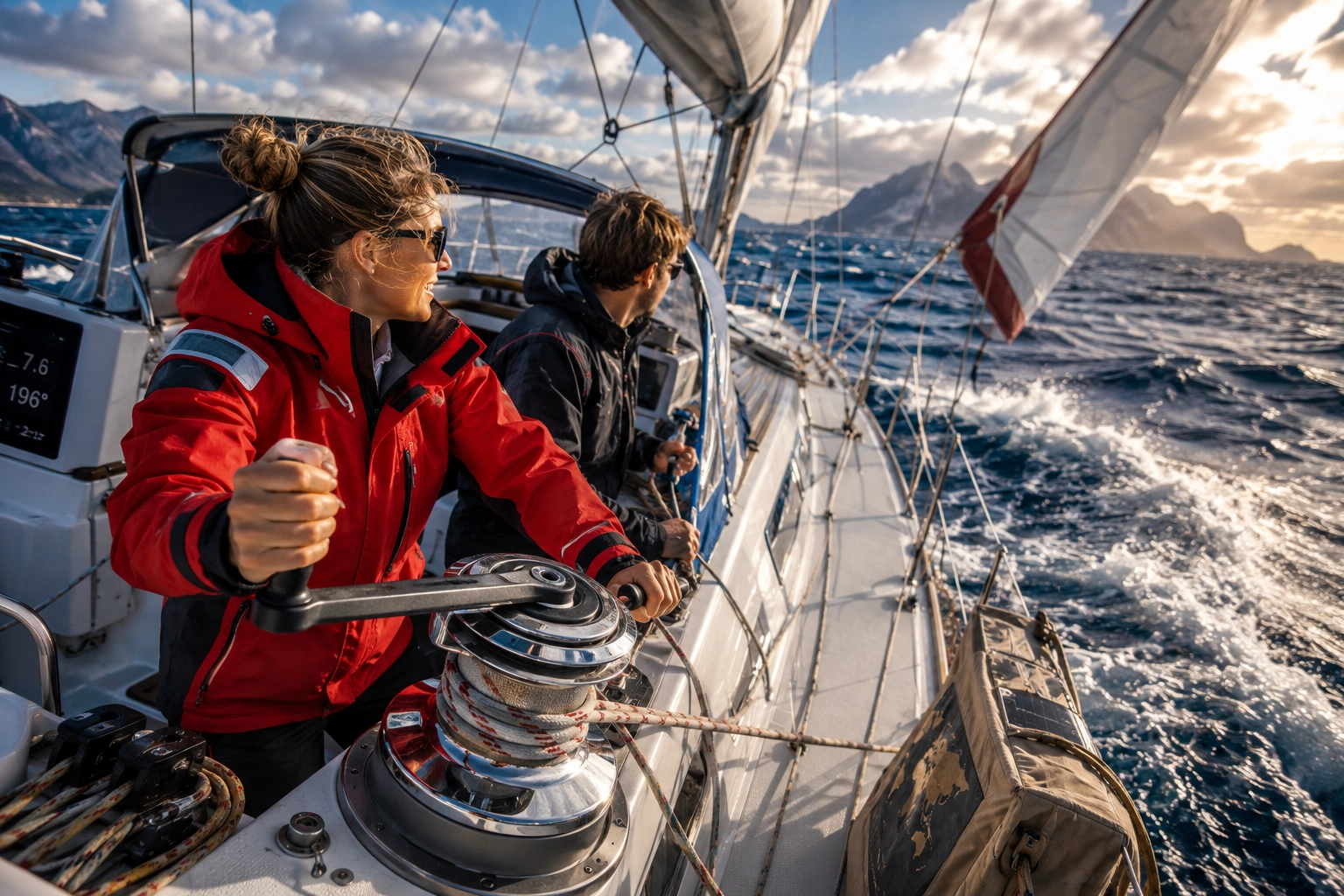
Denizciden Expert Recommendation
An anchor windlass is much more than a convenience—it is one of the most important components of your boat's anchoring system.
A properly matched windlass improves safety, reduces physical effort, protects your electrical system, and provides dependable performance every time you anchor.
When comparing models, don't focus solely on price. Evaluate technical specifications, chain compatibility, available service support, and long-term reliability before making your decision.
Choosing the right windlass is an investment in both safety and peace of mind, allowing you to enjoy every anchorage with greater confidence.
General Windlass Recommendations by Boat Type
| Boat Type | Recommended Windlass |
|---|---|
| Small Fiberglass Boats | Compact 12V electric windlass with moderate pulling capacity |
| Fishing Boats | Heavy-duty electric windlass designed for frequent anchoring |
| Cruising Boats | Windlass compatible with rope-and-chain rode systems |
| Motor Yachts | High-capacity electric windlass with robust chain handling |
| Commercial & Professional Vessels | 24V heavy-duty windlass built for continuous operation |
Final Thoughts
Choosing the right anchor windlass is about much more than selecting a piece of equipment. It's about creating a safe, reliable, and efficient anchoring system that you can trust in changing weather and sea conditions.
By carefully considering your boat's size, displacement, anchor setup, electrical system, and boating habits, you'll be able to select a windlass that delivers dependable performance for many years.
The right windlass makes anchoring easier, improves onboard safety, and allows you to spend more time enjoying the water instead of struggling with heavy ground tackle.
Related Articles
- ⚓ What Is an Anchor Windlass? A Complete Beginner's Guide
- ⚡ Electric Anchor Windlasses: Advantages, Disadvantages & Buying Guide
- 🔋 12V vs 24V Anchor Windlass: Which One Should You Choose?
- ⛓️ How to Choose the Right Anchor Chain
- 🛠️ Anchor Windlass Maintenance Guide
- ⚓ Common Anchoring Mistakes and How to Avoid Them
Explore Our Anchor Windlass Collection
If you'd like to compare different anchor windlass models, technical specifications, and pulling capacities, browse our complete collection below.
⚓ Explore Denizciden Anchor Windlasses
⚓ Denizciden Academy
At Denizciden Academy, we publish expert guides covering anchor windlasses, anchoring systems, marine electrical equipment, and boating safety to help boat owners make informed decisions.
Whether you're upgrading your anchoring system or purchasing your first windlass, our practical articles are designed to help you choose reliable equipment and enjoy safer days on the water.